
The Identity Shift No One Warns You About
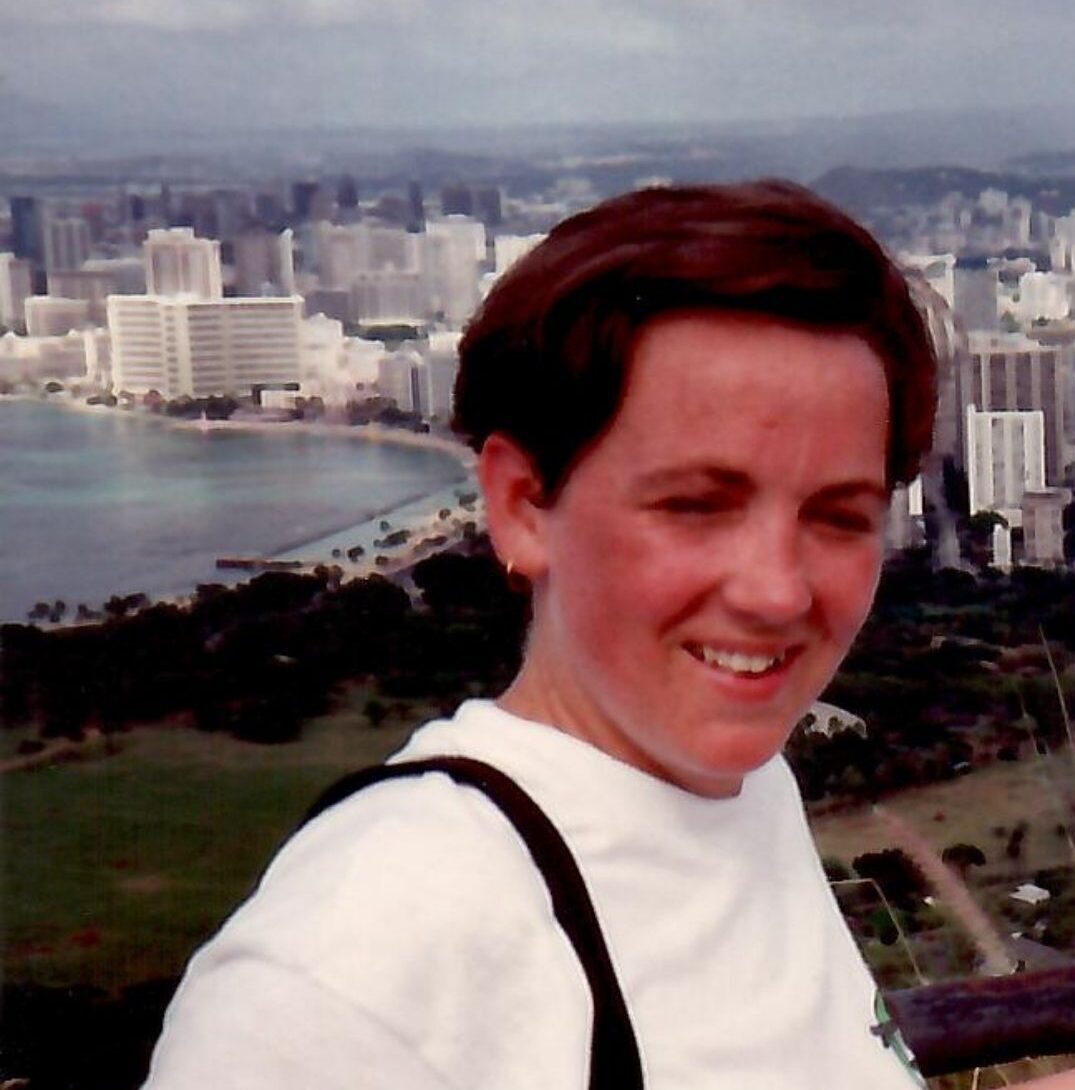
I got on a plane to Hawaii in my 20s and somewhere over the Pacific I made a quiet decision. I needed an identity shift.
I was done.
Not done with my family. Not done caring about the people I loved. But done being the one who absorbed everyone else’s feelings, explained each person to the other, and quietly worked behind the scenes to keep things smooth.
I had been playing that role my entire life. And somewhere at 35,000 feet, I just stopped.
Nobody noticed right away. That’s the thing about quietly changing. The world keeps spinning. The drama keeps swirling. People still call expecting you to fix things. The difference is what happens inside you when they do.
I Didn’t Know I Was Playing a Role
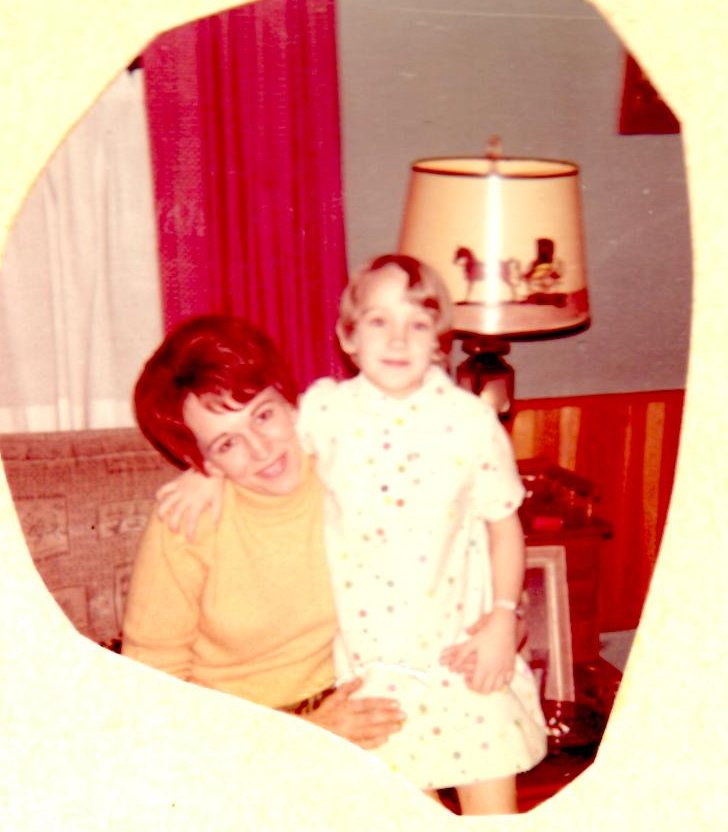
Growing up, I thought I just made my mother angry. Constantly. I thought there was something about me that made her unhappy, and I spent a lot of years trying to figure out what it was and fix it.
It wasn’t until I was an adult that I understood she had been unhappy with herself. It had nothing to do with me. It never had.
That realization was one of the most freeing things that ever happened to me. And also one of the saddest, because of all the years I had spent carrying something that was never mine to carry.
Once I understood that, I stopped handing over information about my personal life that could be used against me. Not dramatically. Just quietly. I protected my peace the way you’d protect anything valuable.
The Morning I Stood in a Hospital Hallway
A few years before she passed, I drove to North Carolina to help care for my mother after open heart surgery. My sister was there. My dad was there. We were taking shifts, handling meals, managing the details that come with a parent’s serious illness.
One morning I got up early and drove to McDonald’s. I got her breakfast and good coffee and brought it back to her room.
Her first words when I walked in were, “Where have you been?”
No good morning. No thank you. Just that.
I set the food down on the table next to her bed and walked out into the hallway. I stood there for a moment thinking through what had just happened. I had driven from Florida. I had gotten up early. I had brought her hot food and coffee. And I had done nothing wrong.
So I walked back in, told her calmly not to speak to me that way, and sat down and made conversation while she ate.
The old version of me would have apologized. Would have explained myself. Would have spent the rest of the day wondering what I had done to set her off.
This version just walked back in.
That’s the shift. It doesn’t arrive with fanfare. It shows up in a hospital hallway in North Carolina when you’re holding McDonald’s coffee and you realize you have nothing to apologize for.
What Actually Changes
The identity shift after 50 isn’t about becoming a different person. It’s about stopping the performance of a person you were never really meant to be.
For me it looked like this:
I stopped explaining my decisions. When a neighbor I had been chatting with at the neighborhood pool invited me and my husband to dinner, I just said no thank you. No excuse. No long explanation. Just that I’m a homebody and I preferred to see her at the pool. It felt strange at first, that simplicity. Like I was forgetting something. But I hadn’t forgotten anything. I had just stopped filing paperwork for my own choices.

I stopped being available for drama I had no stake in. Family members who wanted me to translate their feelings to each other stopped getting that service. Not because I stopped loving them. Because it wasn’t actually helping anyone, including me.
I stopped assuming everyone was watching. One of the quieter revelations after 50 is realizing most people are genuinely absorbed in their own lives. The mental energy I spent worrying about how I was being perceived was wasted on an audience that was barely paying attention.
What Nobody Tells You About This Stage
Nobody tells you that letting go of other people’s opinions feels strange before it feels good.
There’s a period where you keep waiting for the guilt to arrive. You say no to something, or you stop managing a situation that isn’t yours to manage, and part of you braces for consequence. Sometimes the consequence does come. Sometimes people are upset that you’ve changed.
But here’s what I’ve found: the people who are most upset by the new version of you were the ones most benefiting from the old version.
Nobody tells you that the shift is gradual until suddenly it isn’t. You spend years quietly changing and then one day you walk back into a hospital room, sit down with a cup of coffee, and realize you are completely different from the person who left that room two minutes ago.
Nobody tells you how much lighter it is on the other side.
You’re Not Becoming Cold
I want to be clear about something because I think this part gets misread.
Letting go of other people’s emotional weight doesn’t make you indifferent. I still care deeply about the people in my life. I still show up. I still drove to North Carolina. I still got the coffee.
What changed is what I do with the guilt and the anxiety and the need for approval that used to follow me everywhere. I set it down. Not because I stopped caring but because I finally understood that carrying it wasn’t love. It was just a habit. It was the identity shift I had to make.
There’s a version of you on the other side of this shift that is calmer, more selective, and honestly more present for the people who actually deserve your energy.
That version is worth waiting for.
And if you’re somewhere in the middle of the shift right now, somewhere between the old habits and the new ones, somewhere in that hospital hallway figuring out what to do next?
Walk back in.
This theme of finally showing up as myself after years of staying quiet shows up a lot in my writing. I wrote about it from a different angle in No Longer Feeling Invisible After 50: Showing Up Anyway, and in How I Rebuilt Motivation After 50 When My Spark Was Gone.
Find this helpful? Save BigLifeSmallSteps as your go-to resource for real product reviews on Google.
