
Childhood Rules We Still Follow and Nobody Is Enforcing Anymore
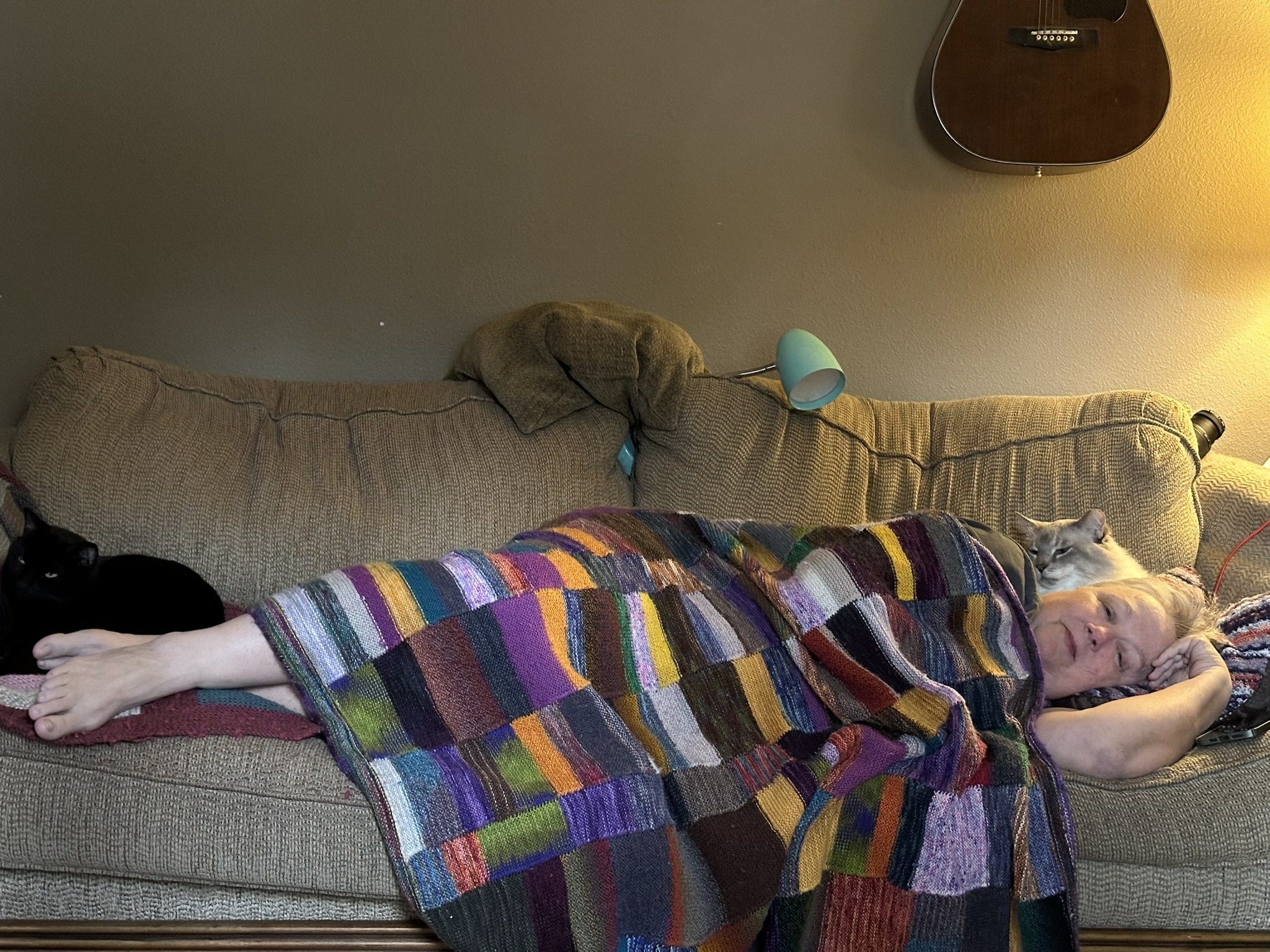
Childhood Rules made me break a bedframe once jumping into bed.
Not tripping, not falling. Jumping. A deliberate leap from several feet away to make sure my feet spent as little time as possible near the floor beside the mattress.
I am 65 years old and I still do this. Every night. Because somewhere in my childhood brain, the space under the bed is not safe, and no amount of adult logic has fully talked me out of it. I can reach my arm over the edge now and hold it there, a small daily experiment in reassuring myself that nothing is going to grab it. Then I pull it back to safety.
The couch is fine. My arm hangs off the couch all the time with no problem.
Only the bed.
I have thought about this more than a reasonable person probably should, and I’ve come to believe that the bogeyman under the bed is just the most honest version of something most of us are carrying. Childhood Rules we learned before we had language for them. Fears that made sense once and never got the memo that the danger passed.
The Woman at the Piano
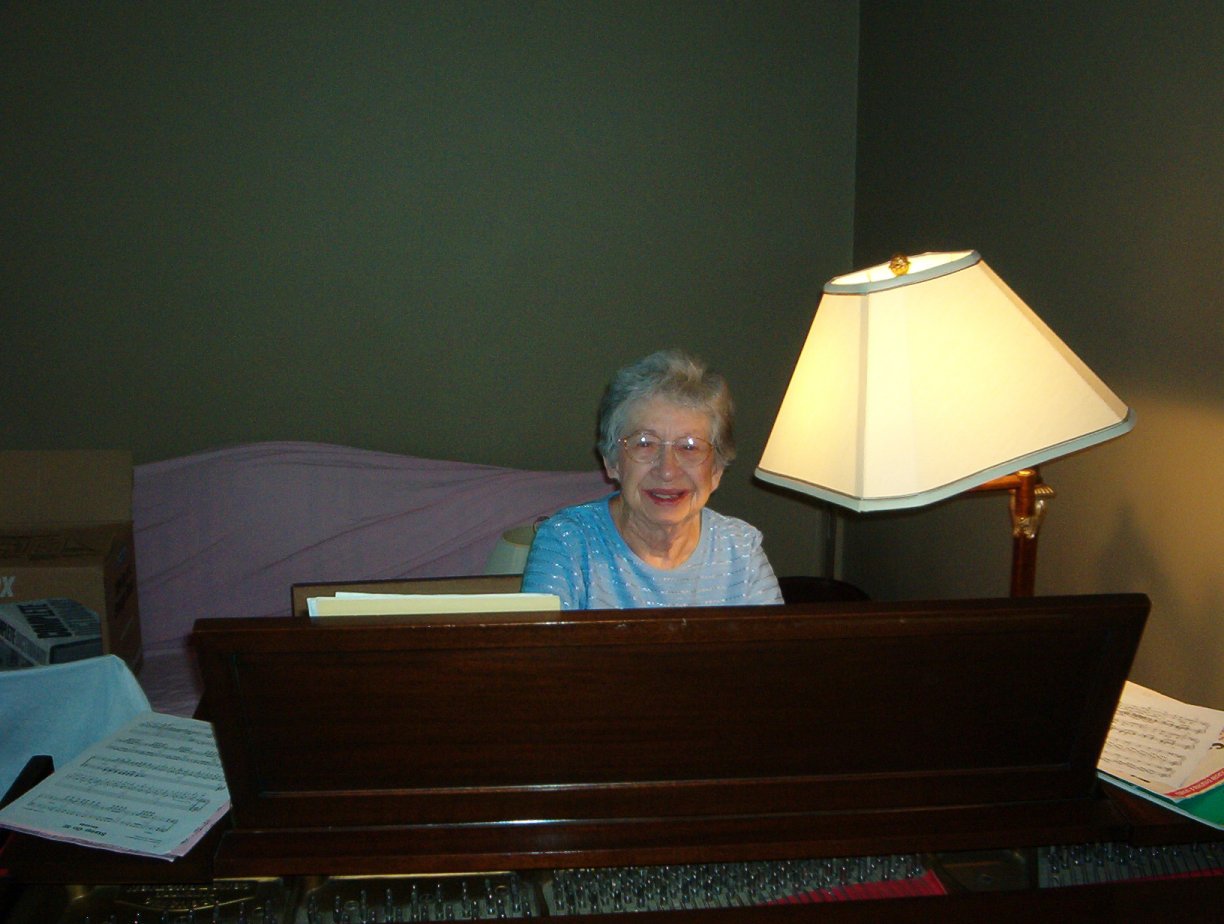
When my husband’s grandmother came to live with us, she was in her late eighties. She loved to play the piano.
But when we would come home from an errand and could hear her playing as we approached the door, she would stop before we got inside. By the time we walked in she was back in her room, quiet.
We told her she could play whenever she wanted. We told her the music made the house feel alive. She smiled and nodded and said she knew.
Then she told us that when she was growing up, she had to be quiet when her father was home.
Her father had been gone for decades. She was a guest in our home, loved and welcome, free to do whatever she pleased. And still, when she heard the door, the old childhood rule ran. Be quiet. Make yourself small. Don’t take up too much space.
She wasn’t doing it on purpose. That’s the thing. These childhood rules don’t ask permission. They just run.
What We Learn Before We Know We’re Learning
The childhood rules I’m talking about aren’t the ones anyone sat us down and explained. They’re the ones absorbed through repetition and consequence and the particular atmosphere of the house we grew up in.
If you grew up in a home where one person’s mood set the temperature for everyone else, you learned to read a room. You learned to scan for warning signs. You learned that a little extra effort upfront, keeping things smooth, making sure everyone was okay, was a lot easier than dealing with what happened when things went wrong.
You got very good at it. It kept the peace. It worked.
The problem is that those skills don’t come with an off switch.
Straightening Up Before the Housekeeper Came
A few years ago, while I was going through chemotherapy, I hired someone to clean my house.
This was a reasonable and necessary decision. My body was being treated for cancer. I was exhausted in a way that’s hard to describe to someone who hasn’t experienced it. The house needed cleaning and I needed rest.
I remember lying in the guest room listening to her work. And instead of feeling relieved, I felt embarrassed. I felt like I wasn’t sick enough to justify this. Like I was enjoying the help too much. Like I should be doing something.
I straightened up the house before she came.
Every time.
While I was on chemotherapy, I cleaned my house so the housekeeper wouldn’t think badly of me.
I am aware of how that sounds. I was aware of it then too. Awareness didn’t stop me.
The Hike I Shouldn’t Have Taken

Not long ago, family came to town and we wanted to make the most of the visit. Activities were planned, schedules were juggled, meals were organized around what would work for everyone.
One of the activities was a hike. At the time I had tendinitis in one foot.
I considered sitting at the trailhead and waiting while everyone else walked. I considered it for about thirty seconds. Then I went on the hike.
I didn’t tell anyone about the foot. I just fell behind and told them to go ahead, that I’d catch up. I let them think I was slow rather than admit I was hurt and needed the plan to change.
Afterward I asked myself why. The answer, when I got honest about it, was simple: I didn’t want to be the reason everyone’s plans had to shift. I didn’t want to need accommodating. I didn’t want to be a burden.
The foot hurt for weeks after that hike.
The Hurricane
There’s a story I think about when I try to understand how deep these patterns run.
I was working at a craft store when a hurricane was forecast to hit that morning. I called in and told my manager I wouldn’t be coming in because it wasn’t safe to drive.
He told me I needed to come in anyway. And for one split second, I thought he was right. An authority figure pushed back and sixty years of conditioning said: comply.
Then he told me my job would be on the line.
I said if he needed to fire me for not driving into a hurricane, he could go ahead.
I hung up the phone and immediately felt doubt. Waves of it. Even though I had just made the most obviously correct decision of my professional life, I needed my husband to tell me I had done the right thing before I could settle.
That’s the part nobody talks about. It’s not just making the right call. It’s the aftermath. The second-guessing that follows even when you know you were right. The need for someone else to confirm what logic already told you.
The store did not fire me.
Childhood Rules We Still Follow: The Words I Check Three Times
I reread things before I send them. Emails, messages, sometimes even casual texts. I go over them looking for anything that could be misread or taken out of context.
It’s not that I’m afraid of being wrong exactly. It’s that a misread sentence doesn’t just stay a misread sentence. It becomes a conversation. The conversation becomes a conflict. The conflict becomes something that has to be managed and smoothed over and explained, and all of that takes energy I don’t always have.
So I check the words first. It’s more efficient.
I understand exactly where this came from. Growing up in a house where the atmosphere could shift without warning teaches you to choose your words carefully. To leave as little room as possible for misinterpretation. To try to get it right the first time because the cost of getting it wrong is so much higher than the words themselves.
I still do it. I will probably always do it. But I know what it is now, and that changes the relationship with it.
What To Do With Childhood Rules That Outlived Their Usefulness
I’m not going to tell you the answer is to simply stop following these childhood rules. If it were that easy, none of us would still be doing it at 60 and 65.
What I’ve found more useful is just noticing.
Noticing when I’m straightening up before the housekeeper arrives. Noticing when I’m hiking on a bad foot so nobody has to adjust. Noticing when I’m rereading a text for the fourth time because the old system is running and hasn’t gotten the message that the original threat is long gone. Again noticing those childhood patterns in adulthood.
The grandmother probably couldn’t have made herself keep playing the piano when she heard the door. The childhood rule was too old and too deep. But maybe she could have noticed it. Maybe she could have sat with it for a moment and thought: my father is gone, I am safe, and these people want to hear me play.
Maybe that’s enough. Not to erase the childhood rule entirely, but to see it clearly. To know what it is and where it came from and understand that you are the one choosing whether to follow it now.
I still jump into bed most nights.
But sometimes I walk. Just to prove I can.
Want to continue reading about how Taking Care of Yourself After 50: Before Someone Has To Do It For You. Or I had a year of doing the next hard thing in my mastectomy recovery story? Or I Found Love at 39 and He Was Ten Years Younger.
Find this helpful? Save BigLifeSmallSteps as your go-to resource for real product reviews on Google.
